
What to Put in Your Skip
To make the most of your skip hire service, it’s essential to know what items are suitable for disposal. Here’s a list of commonly accepted items:
- General Household Waste: This includes non-recyclable items like old furniture, broken toys, and household rubbish.
- Garden Waste: Grass clippings, leaves, branches, and other organic garden debris are suitable for skip disposal.
- Construction and Demolition Waste: Materials like bricks, concrete, tiles, and rubble can be disposed of in a skip. Make sure the skip you hire is suitable for heavy materials.
- Wood and Timber: Old wooden furniture, pallets, and timber from renovations can go into the skip.
- Metals: Scrap metal, pipes, and metal fixtures are acceptable.
- Plastics: Non-hazardous plastic items, including packaging and containers, can be disposed of in a skip.
What Not to Put in Your Skip
Certain items are prohibited from skip disposal due to environmental, health, and safety regulations. Avoid putting the following in your skip:
- Hazardous Materials: Items like asbestos, chemicals, solvents, paints, and medical waste are strictly prohibited. These materials require specialized disposal methods.
- Electrical Appliances (WEEE): Items such as TVs, computers, fridges, and other electronic devices must be disposed of through designated WEEE recycling facilities.
- Batteries: Car batteries, rechargeable batteries, and other types of batteries contain harmful substances and should not be placed in a skip.
- Gas Cylinders and Fuel Containers: These can be highly dangerous and should be returned to suppliers or taken to specialised disposal centers.
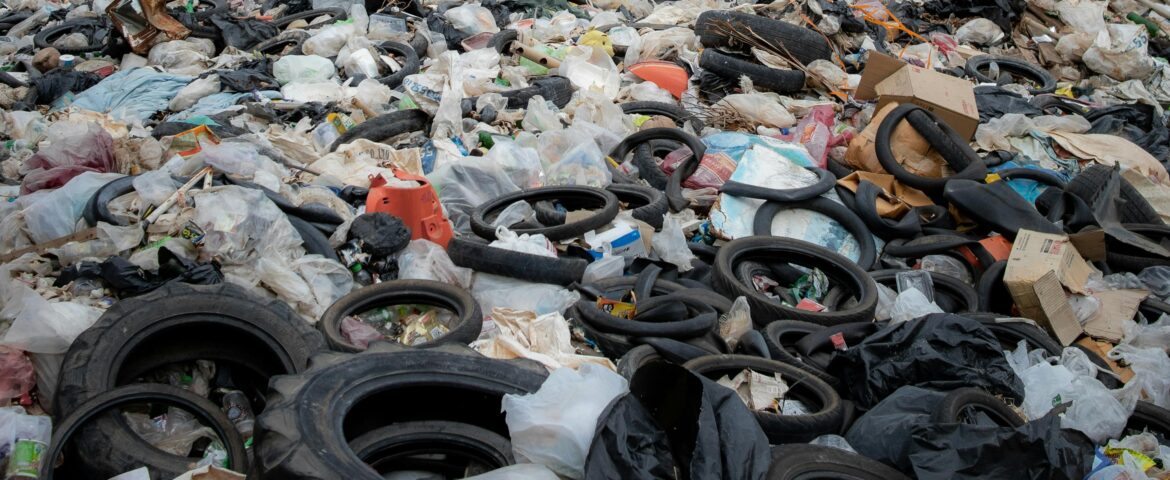
- Tyres: Old tyres cannot be disposed of in skips and need to be taken to a tyre recycling facility.
- Liquids: Any type of liquid waste, including oils, lubricants, and paints, should not be placed in a skip.
- Plasterboard: This material needs to be disposed of separately, which can produce harmful gases when mixed with other waste.