
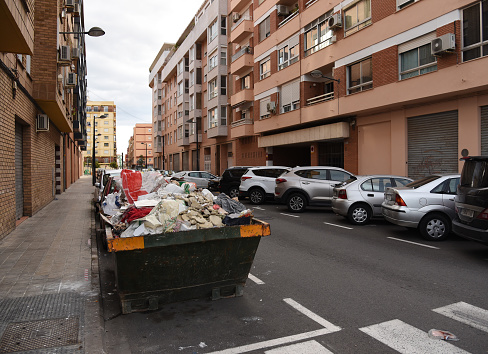
Assess Your Waste: The Key to Choosing the Perfect Skip
Hiring a skip can make any project—big or small—run more smoothly. But before you jump straight into choosing a size, there’s one essential step you can’t skip: assessing your waste. By understanding the type and amount of waste your project will generate, you’ll save yourself time, money, and stress. Plus, it ensures you’re using the skip in the most effective and environmentally friendly way.
Here’s everything you need to consider when assessing your waste before hiring a skip.
1. What Type of Waste Will You Be Disposing Of?
Every project produces different kinds of waste, and knowing the type is crucial for picking the right skip. Here are the most common waste categories:
- Household Waste: If you’re decluttering, renovating, or doing a general clearout, your waste might include old furniture, broken appliances, or miscellaneous items that no longer serve a purpose. Household waste is usually lightweight but bulky, so a mid-sized skip might be your best bet.
- Garden Waste: Are you revamping your outdoor space? Projects like trimming hedges, cutting back trees, or digging up turf generate waste like soil, branches, and leaves. Garden waste is often lighter but can take up significant space. It’s important to check with your skip provider about soil and turf limits, as these materials can get heavy fast.
- Construction or Demolition Waste: Heavy-duty projects like home extensions, bathroom renovations, or construction sites produce robust materials such as bricks, concrete, plaster, and tiles. Because of weight restrictions, you may need a smaller skip, even if the volume of waste is significant.
Understanding the type of waste also ensures compliance with skip regulations. Hazardous items, such as chemicals, asbestos, or batteries, require specialist disposal services and can’t go in a standard skip.
2. How Much Waste Are You Generating?
Once you know the type of waste, it’s time to estimate the volume. This is where many people go wrong, either underestimating or overestimating their waste. Here are a few tips to help:
- Walk Through the Project: Physically review the areas you’re clearing or renovating to identify what’s staying and what’s going. This gives you a clearer picture of the amount of waste you’re dealing with.
- Use Visual Comparisons: If you’re unsure about volumes, think about how many bin bags your waste might fill. For example, a small skip might hold the equivalent of 25-35 bin bags, while a larger builder’s skip can hold over 65 bin bags.
- Factor in Hidden Waste: Projects often generate more waste than expected. Broken items, leftover materials, and last-minute clearouts can quickly add up. Choosing a skip slightly larger than your estimate can save you from hiring a second one.
3. Consider Weight Limits
Did you know that skips have weight limits? Heavier materials, such as bricks or concrete, can quickly max out a skip’s capacity even if it’s not full. Overloading a skip can result in additional fees or make it unsafe to transport. That’s why construction waste is often better suited to smaller skips.
When hiring your skip, let the provider know if you expect heavy materials. At SkipHire.uk.com, we can advise on the best skip size for your needs and ensure you stay within safe weight limits.
4. Separating Recyclable and Non-Recyclable Items
Sorting your waste before it goes into the skip isn’t just environmentally friendly—it can also save you money. Some materials, like metals and certain plastics, might be recyclable, and separating them reduces the amount of general waste in your skip.
At SkipHire.uk.com, we’re committed to sustainability. When you hire a skip with us, we’ll process your waste to ensure as much as possible is recycled. By assessing your waste upfront, you can make our job easier and do your bit for the planet.
5. Why Proper Assessment Matters
Failing to assess your waste properly can lead to:
- Overpaying for an Oversized Skip: If you hire a skip that’s too large, you’re paying for space you don’t use.
- Hiring a Skip That’s Too Small: Running out of space midway through your project means extra costs for a second skip or additional trips to the tip.
- Non-Compliance with Regulations: Disposing of prohibited items or overloading your skip can lead to fines and delays.
By taking the time to assess your waste, you ensure a smoother, more cost-effective experience.