
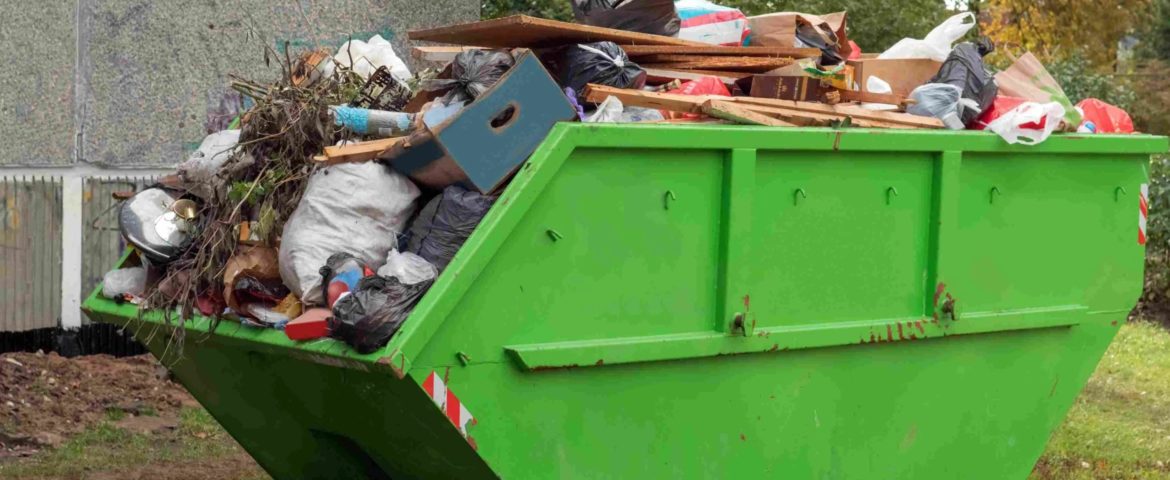
Skip hire has become an essential part of waste management in the UK, providing a convenient and efficient way to handle large volumes of rubbish. But have you ever wondered how skip hire originated and evolved into the industry we know today? Here’s a look at the fascinating history of skip hire in the UK.
The Origins of Skip Hire
The concept of using large containers for waste disposal dates back to the early 20th century. In the 1920s and 1930s, waste management was largely informal, with rubbish being collected in open carts or dumped in designated landfills. However, as industrialisation increased and urban areas expanded, a more systematic approach was needed to handle growing amounts of waste.
The Introduction of Skips in the 1960s
The modern skip hire industry in the UK took off in the 1960s, inspired by waste disposal systems in Germany. German construction companies used large containers that could be transported by specialised lorries, making it easier to collect and dispose of waste efficiently. This idea was soon adopted in the UK, with skips initially being used on construction sites to handle heavy building materials and debris.
The first skips were simple metal containers that could be loaded onto lorries using a chain-lift system. As demand grew, different sizes of skips were introduced to accommodate various waste disposal needs, from household clearances to large-scale demolition projects.
The Growth of the Skip Hire Industry
Throughout the 1970s and 1980s, skip hire became more widely available to the general public. With increasing awareness of environmental concerns and stricter regulations on waste disposal, hiring a skip became a practical and responsible way to manage waste. During this period, skip hire companies expanded their services, offering different skip sizes and introducing recycling initiatives to reduce landfill waste.
The Impact of Environmental Regulations
The 1990s and 2000s saw significant changes in the industry due to new environmental laws and waste management policies. The introduction of the Landfill Tax (1996) encouraged recycling and reduced reliance on landfill sites. Skip hire companies had to adapt by implementing better waste sorting and recycling processes, ensuring that a significant portion of collected waste was repurposed rather than discarded.
Modern-Day Skip Hire
Today, skip hire is an essential service for both residential and commercial waste disposal. Companies offer a wide range of skip sizes, from small 2-yard skips for domestic clear-outs to large 40-yard roll-on-roll-off skips for industrial use. Advanced waste management facilities ensure that a high percentage of waste is recycled, contributing to the UK’s sustainability goals.
Technology has also played a role in modernising the industry. Many skip hire companies now offer online booking, real-time tracking, and automated waste sorting to improve efficiency and customer convenience.
The Future of Skip Hire
As the UK continues to focus on sustainability and reducing carbon footprints, the skip hire industry is evolving to meet new environmental standards. Innovations such as eco-friendly skips, improved recycling methods, and zero-waste initiatives are shaping the future of waste management.
Skip hire has come a long way from its early days, growing into a sophisticated and regulated industry that plays a crucial role in keeping the UK clean and sustainable.
For reliable and environmentally responsible skip hire, visit skiphire.uk.com today!