
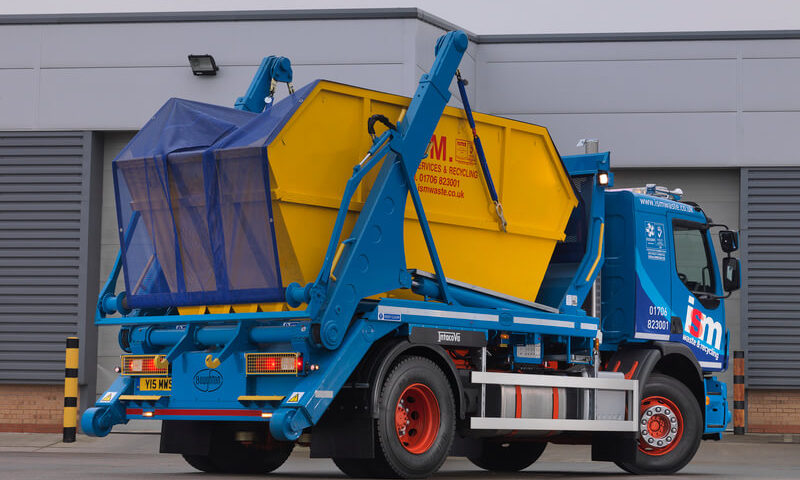
Skip hire is a convenient and efficient solution for waste removal during construction projects, home renovations, or decluttering endeavours. However, it’s important to be aware that not all materials can be disposed of in a skip. To ensure compliance with regulations and promote environmentally responsible waste management, it’s crucial to understand what items cannot be put in a skip. In this blog post, we will provide you with a comprehensive guide to skip-hire restrictions, helping you make informed decisions when it comes to waste disposal.
- Hazardous Materials: Hazardous materials pose a risk to human health and the environment and must be handled and disposed of separately. Examples of hazardous waste that cannot be placed in a skip include:
- Asbestos: Due to its harmful health effects, asbestos-containing materials require specialist removal and disposal procedures.
- Chemicals and Solvents: Substances such as paint thinners, pesticides, and cleaning agents contain toxic chemicals that require specific disposal methods.
- Batteries: Batteries, including car batteries and household batteries, contain hazardous materials and should be taken to designated recycling centres.
- Electrical Equipment: Electrical and electronic waste, commonly known as e-waste, should not be disposed of in skips. These items often contain hazardous components and valuable materials that can be recycled. Examples of e-waste include televisions, computers, printers, refrigerators, and fluorescent light bulbs. Many local authorities or recycling centres have specific programs for collecting and recycling e-waste.
- Medical Waste: Medical waste, including sharps (needles), syringes, pharmaceuticals, and biological waste, should never be placed in a skip. Proper disposal methods must be followed to prevent potential health hazards and contamination.
- Tyres and Vehicle Parts: Skip hire companies typically do not accept tyres or vehicle parts due to their size, weight, and potential environmental impact. Tyres can be taken to specialized recycling facilities where they are processed and repurposed.
- Liquids: Skip bins are not designed to handle liquids. This includes paint, oil, chemicals, and any other liquid substances. Proper disposal methods, such as taking these items to designated recycling or hazardous waste facilities, should be followed.
- Plasterboard: Plasterboard, also known as drywall or gypsum board, often contains hazardous substances and should be handled separately. Some skip hire companies may accept plasterboard but require it to be placed in a separate skip due to its disposal requirements.
When hiring a skip for waste removal, it’s essential to understand the restrictions on what can and cannot be placed inside. By adhering to these guidelines, you contribute to responsible waste management and protect the environment. Remember that hazardous materials, electrical equipment, medical waste, tyres, liquids, and plasterboard require specific disposal methods and should be handled separately. Always consult with your skip hire provider or local authorities to ensure proper disposal of restricted items. By doing so, you promote sustainability and help create a cleaner, safer environment for all.