
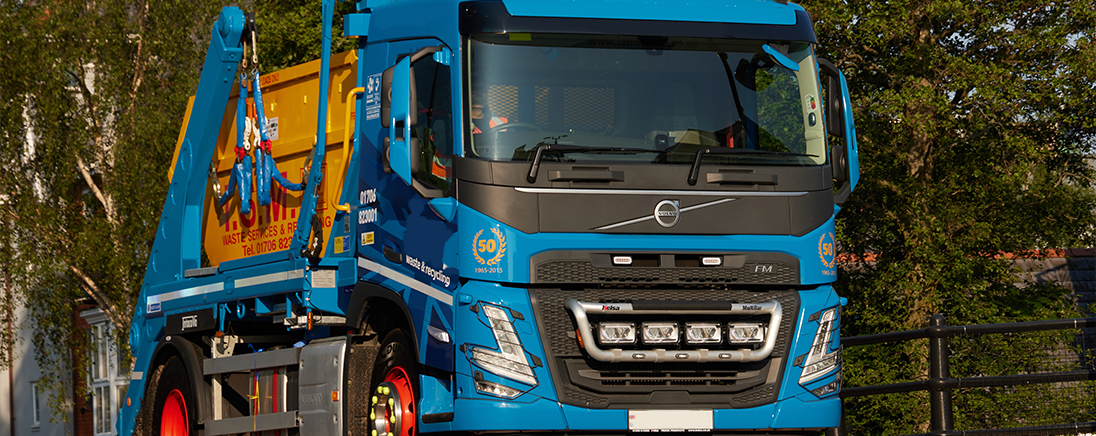
Hiring a skip for the first time can feel daunting. You might have questions about the process, concerns about getting it wrong, or uncertainty about what to expect. This comprehensive beginner’s guide walks you through everything you need to know for your first skip hire experience, from making that initial phone call to waving goodbye to your filled skip. By the end of this guide, you’ll feel confident and prepared to hire your first skip successfully.
Why People Hire Skips: Is It Right for You?
Common First-Time Skip Hire Scenarios
Home Clear-Outs: You’ve accumulated years of clutter and it’s time for a serious declutter. Your loft, garage, and spare room are overflowing, and normal bin collections just won’t cut it.
DIY Projects: You’re finally tackling that bathroom renovation, kitchen update, or garden makeover you’ve been planning. Suddenly, you’re faced with piles of old fixtures, tiles, and building materials.
Moving House: Downsizing or simply moving means disposing of furniture that won’t fit in your new home, along with years of accumulated possessions you no longer need.
Garden Projects: Your garden needs serious work—overgrown hedges, an old shed, or a complete redesign. You’re looking at substantial volumes of green waste and possibly some structures to remove.
Bereavement: The difficult task of clearing a loved one’s property leaves you with far more waste than regular disposal methods can handle.
When a Skip Makes Sense
You Should Consider Skip Hire When:
- You have more than 5-6 car boot loads of waste
- Items are too bulky for your vehicle
- Multiple trips to the tip would take several days
- You’re working to a deadline
- The physical work of multiple tip runs is too much
- You want convenience and efficiency
- You’re generating waste over several days or weeks
You Might Not Need a Skip When:
- You have just 1-2 bags of rubbish
- Items are suitable for charity donation
- Your council’s bulky waste collection would suffice
- You live very close to a recycling centre
- You have plenty of time and a suitable vehicle
- Your project generates minimal waste
The Skip Hire Process: Step by Step
Step 1: Assess Your Waste
Before You Call Anyone:
Take an honest look at what you’re disposing of:
- Walk around and visually assess the volume
- Group items by category (furniture, garden waste, building materials)
- Identify any items that can’t go in skips (electricals, batteries, chemicals)
- Consider what might be donated or sold instead
- Think about whether you’ll generate more waste as you work
The Bin Bag Method: A helpful rule of thumb—count how many standard black bin bags your waste would fill:
- 25-35 bags: 2-3 yard mini skip
- 35-50 bags: 4 yard midi skip
- 60-80 bags: 6 yard skip
- 80-100 bags: 8 yard builder’s skip
The Reality Check: First-timers almost always underestimate waste volume. When in doubt, go one size up—it’s much cheaper than hiring a second skip.
Step 2: Determine Where the Skip Will Go
Option 1: On Your Property (No Permit Needed)
Best Placement:
- Your driveway (most common)
- Front garden (if accessible)
- Back garden (if access allows)
- Private parking area
Check These Points:
- Is there enough space for the skip size you need?
- Can a skip lorry access the location? (Check width, height, turns)
- Is the ground surface suitable? (Will it support a heavy loaded skip?)
- Are there overhead obstacles? (Trees, washing lines, power cables)
- Will the skip fit through gates or narrow passages?
Measuring Your Space:
- 4-yard skip: Needs roughly 3m x 2m space
- 6-yard skip: Needs roughly 4m x 2m space
- 8-yard skip: Needs roughly 4m x 2m space (but longer)
Option 2: On the Road (Requires Permit)
When You’ll Need This:
- No suitable space on your property
- Skip would block your driveway access
- Easier access for loading from the road
What This Involves:
- Applying for a council permit (or skip company arranges)
- Permit costs (£30-£100 typically)
- Processing time (5-10 working days usually)
- Specific positioning requirements
- Mandatory lighting and marking
We’ll Cover Permits in Detail Later
Step 3: Choose Your Skip Size
For First-Timers, These Are Most Common:
4-Yard Midi Skip (Most Popular for First-Timers):
- Equivalent to about 40-50 bin bags
- Fits on most driveways
- Suitable for: Moderate clear-outs, small bathroom refits, minor garden work
- Dimensions: Approximately 5ft long x 4ft wide x 4ft high
6-Yard Skip:
- Equivalent to about 60-80 bin bags
- Still fits most driveways
- Suitable for: Larger clear-outs, bigger renovations, garden projects
- Dimensions: Approximately 10ft long x 5ft wide x 4ft high
8-Yard Builder’s Skip:
- Equivalent to about 80-100 bin bags
- Requires more space
- Suitable for: Major clear-outs, substantial renovations
- Dimensions: Approximately 12ft long x 6ft wide x 5ft high
The “When in Doubt” Rule: If you’re genuinely uncertain between two sizes, choose the larger one. The small additional cost (£20-40 typically) is nothing compared to the hassle and expense of hiring a second skip.
Step 4: Contact Skip Hire Companies
Getting Quotes:
What You’ll Be Asked:
- Your postcode/address
- Type of waste (household, garden, building)
- Estimated skip size needed
- Where the skip will be placed (property or road)
- When you need the skip
- How long you’ll need it
Questions You Should Ask:
About Service:
- “What size skip do you recommend for [describe your project]?”
- “What’s included in the price?”
- “How long is the standard hire period?”
- “What are the charges for keeping it longer?”
- “Do you arrange permits, or do I need to?”
- “What items can’t go in the skip?”
About Logistics:
- “When is the earliest you can deliver?”
- “What time will delivery/collection be?”
- “Do I need to be present for delivery/collection?”
- “How much notice do you need for collection?”
- “What if I fill it quicker than expected?”
About Costs:
- “Are there any additional charges I should know about?”
- “What happens if I go over the weight limit?”
- “Do you charge extra for mattresses?”
- “What are your payment terms?”
Comparing Quotes: Don’t just go for the cheapest price. Consider:
- Included hire period (7 days? 14 days?)
- Permit service included or extra?
- Company reviews and reputation
- Flexibility with dates and times
- Customer service quality during your call
Step 5: Book Your Skip
When to Book:
- Minimum 3-5 days in advance for most areas
- 1-2 weeks ahead during busy periods (April-August)
- Longer during peak season (early May especially busy)
- Bank holidays: Book well in advance as many companies close
What You’ll Need to Provide:
- Your name and contact details
- Delivery address
- Payment details (some require deposit, others payment on delivery)
- Preferred delivery date
- Special instructions (access, placement, gate codes)
Confirm Everything in Writing: Request email confirmation including:
- Skip size booked
- Delivery date and approximate time
- Collection arrangements
- Total cost and what’s included
- Hire period length
- Company contact details
- What to do if issues arise
Step 6: Prepare for Delivery
The Day Before:
Clear the Area:
- Move vehicles from driveway/road
- Remove garden furniture or obstacles
- Check gates open fully
- Clear any overhanging branches
- Move wheelie bins out of the way
Protect Your Property:
- Ask if skip company provides protective boards for driveways
- If not, consider placing planks under skip feet
- Photograph the area (useful if damage concerns arise)
For Road Placement:
- Ensure permit is in place (if required)
- Check permit conditions (exact location, dates)
- Inform neighbours as courtesy
Delivery Day:
Do You Need to Be There?
- Not always essential if placement is straightforward
- Helpful to be present to direct driver
- Necessary if access is complicated
- Can provide gate codes or leave instructions if unable to be present
What Happens:
- Skip lorry arrives (these are large vehicles)
- Driver positions skip using hydraulics
- Takes 5-10 minutes typically
- Driver may ask you to sign delivery note
- Skip is left ready for you to use
Immediately Check:
- Skip is in correct position
- Not blocking essential access
- Sitting level and secure
- Lights working (if road placement)
- No visible damage
Step 7: Fill Your Skip
Loading Strategy:
Heavy Items First:
- Creates stable base
- Easier to build upwards
- Prevents lighter items being crushed
Break Down Large Items:
- Dismantle furniture where possible
- Flatten cardboard boxes
- Cut long timbers to manageable lengths
- Remove legs from tables and chairs
Fill Gaps:
- Use smaller items to fill voids
- Maximises capacity
- Prevents wasted space
- Compact as you go (carefully)
Load Level: The skip should be filled level with the top edge, not heaping over. This is usually marked with a fill line.
Overfilling Consequences:
- Skip won’t be collected
- You’ll need to remove excess
- May incur additional charges
- Safety hazard during transport
What NOT to Put In:
Never:
- Asbestos
- Batteries
- Chemicals and paint
- Electrical appliances (often)
- Fluorescent tubes
- Gas bottles
- Tyres (usually)
- Medical waste
- Food waste (in some areas)
Check with Your Provider:
- Mattresses (some charge extra, some don’t allow)
- Plasterboard (many require separate disposal)
- Soil and rubble (weight restrictions apply)
What Happens If You Put Prohibited Items In:
- Additional charges for removal and disposal (£50-£150+)
- Collection delays
- You may need to remove items yourself
- In serious cases, legal issues
Step 8: Arrange Collection
When You’re Ready:
Contact Your Skip Company:
- Most companies want 24-48 hours notice
- Some offer same-day collection
- Provide clear access for collection lorry
- Remove any items placed around skip
Before Collection Day:
- Check skip isn’t overfilled
- Remove any prohibited items
- Ensure access is clear
- Move vehicles if necessary
- Photograph filled skip (proves condition at collection)
Collection Process:
- Lorry arrives
- Driver checks skip level and contents
- Skip lifted onto lorry using hydraulics
- Takes 5-10 minutes
- Area checked before leaving
After Collection:
- Inspect area for any damage
- Keep all documentation (waste transfer notes)
- Check final invoice matches quote
Understanding Permits: A Simple Explanation
Do You Need a Permit?
YES, You Need a Permit If:
- Skip is placed on any public road
- Skip is placed on pavement/footpath
- Skip is on grass verge beside road
- Any part of skip overhangs onto public highway
NO, You Don’t Need a Permit If:
- Skip sits entirely on your private property
- On your driveway completely
- In your garden with no overhang
- On private land where you have permission
The Simple Rule: If any part of the skip is on land the public can access, you probably need a permit.
Getting a Permit
Option 1: Skip Company Arranges (Recommended for First-Timers)
- They know the process
- Established relationships with councils
- Usually charge £20-50 service fee plus permit cost
- Less chance of errors
- Less stressful for you
Option 2: You Arrange Yourself
- Contact your local council highways department
- Complete application form
- Pay permit fee (£30-£100 typically)
- Wait for approval (5-10 working days)
- Receive permit documentation
- Must coordinate permit dates with skip delivery
Permit Conditions:
- Skip must have warning lights
- Reflective markings required
- Specific placement location
- Valid for specific dates only
- May restrict which streets in town centres
Without a Permit:
- Fines (£50-£100 initially, up to £1,000)
- Skip may be removed by council
- You pay removal and storage costs
- Legal hassle and stress
First-Time Skip Hire Costs
Typical Price Ranges (UK Average)
Skip Size:
- 2-3 yard mini skip: £80-£150
- 4 yard midi skip: £100-£180
- 6 yard skip: £150-£220
- 8 yard skip: £180-£280
Regional Variations:
- London and Southeast: 20-30% higher
- Major cities: 10-20% higher
- Rural areas: May have delivery surcharges
- Scotland and Wales: Generally similar to England
Included in Price:
- Delivery
- Standard hire period (7-14 days typically)
- Collection
- Disposal of standard mixed waste
- VAT
Potential Additional Costs:
- Permit: £30-£100 (plus service fee if arranged by company)
- Extended hire: £10-£30 per extra week
- Overweight charges: £50-£200 if weight limit exceeded
- Mattress disposal: £10-£30 per mattress
- Prohibited items: £50+ for removal
Money-Saving Tips:
- Book outside peak season (avoid April-August)
- Mid-week delivery may be cheaper
- Longer advance booking may get better rates
- Don’t oversize—right size is most economical
- Load efficiently to avoid second skip
Budgeting for Your First Skip
Conservative Budget Example (4-yard skip):
- Skip hire: £140
- Permit (if needed): £50
- Potential extension: £30
- Contingency: £30
- Total budget: £250
This allows for unknowns and ensures no nasty surprises.
Common First-Timer Mistakes (And How to Avoid Them)
Mistake 1: Underestimating Waste Volume
The Problem: You hire a 4-yard skip thinking it’ll be plenty, but you fill it in half a day and still have loads left.
The Solution:
- Always err on the side of larger
- Consult with skip company before booking
- Consider that you’ll generate more waste as you work
- When in doubt, size up
Mistake 2: Not Checking Access
The Problem: Skip lorry arrives but can’t access your drive due to narrow lanes, low branches, or tight turns.
The Solution:
- Measure access routes before booking
- Walk the route the lorry will take
- Check clearance heights
- Inform skip company of any access concerns
- Consider road placement if property access is impossible
Mistake 3: Forgetting About Permits
The Problem: Skip delivered to road without permit, resulting in council fines and forced removal.
The Solution:
- Clarify permit needs when booking
- Allow 1-2 weeks for permit processing
- Let skip company arrange it if offering this service
- Never assume it’s fine without checking
Mistake 4: Putting Prohibited Items In
The Problem: You’ve loaded old paint tins, batteries, or electrical items, now facing additional charges.
The Solution:
- Get prohibited items list before skip arrives
- Plan alternative disposal for these items
- When in doubt, ask skip company
- Keep list visible near skip during filling
Mistake 5: Overfilling
The Problem: You’ve piled waste above the rim, skip can’t be collected legally.
The Solution:
- Monitor fill level throughout
- Understand the fill line
- If nearing capacity with more to add, call for advice
- Consider exchange service for ongoing projects
Mistake 6: Poor Timing
The Problem: You book skip before you’re ready, it sits empty costing extension fees, or you’re not ready when it needs collecting.
The Solution:
- Book for when you’ll actually start work
- Clear as much as possible before skip arrives
- Don’t hire until you can focus on the project
- Allow realistic time for completion
Mistake 7: Not Shopping Around
The Problem: You book with first company you contact, potentially overpaying or getting poor service.
The Solution:
- Get 2-3 quotes
- Compare what’s included
- Check online reviews
- Don’t just choose cheapest—consider service quality
Mistake 8: No Photos or Documentation
The Problem: Dispute over damage to property or skip contents, with no evidence.
The Solution:
- Photograph area before skip placement
- Photo empty skip on arrival
- Photo filled skip before collection
- Photo area after collection
- Keep all paperwork and transfer notes
What to Expect: Timeline Example
Your First Skip Hire Journey:
Week 1: Planning and Booking
- Monday: Assess waste, decide skip needed
- Tuesday: Get 3 quotes from companies
- Wednesday: Book skip for delivery following Monday
- Thursday-Sunday: Continue preparing, sorting waste
Week 2: Delivery and Filling
- Monday 8am: Skip delivered
- Monday-Friday: Fill skip as you work on project
- Friday: Skip 80% full, continue over weekend
- Sunday evening: Skip full and level
Week 3: Collection
- Monday: Call skip company to arrange collection
- Wednesday: Skip collected
- Area checked, all clear
Total time from decision to completion: 2.5 weeks
Frequently Asked Questions
Q: What happens if it rains—will my skip fill with water? A: Some water is normal and won’t affect collection. If concerned about specific materials, cover skip with tarpaulin (ensure secure so doesn’t blow away).
Q: Can neighbours use my skip? A: Legally it’s your skip and you’re responsible for contents. Politely discourage neighbours—you don’t want prohibited items or overfilling.
Q: What if I finish earlier than expected? A: Call skip company—most will collect early at no extra charge. Unused time isn’t refundable but early collection is usually accommodated.
Q: What if I need it longer? A: Contact company before permit/hire period expires. Most charge £10-30 per additional week. Don’t just keep it without arranging—may incur penalties.
Q: Do I need to be home for delivery and collection? A: Not always essential if access is straightforward and you provide clear instructions. Being present is helpful but not always necessary.
Q: What if I change my mind after booking? A: Contact company immediately. Most are flexible if given notice. Cancellation policies vary—check when booking.
Q: Can I move the skip once it’s placed? A: No, skips are extremely heavy when full. They stay where placed. Ensure correct positioning on delivery.
Q: What happens to my waste after collection? A: It goes to licensed waste transfer station where materials are sorted for recycling. Most skip companies recycle 80-90% of contents.
Your First Skip Hire Checklist
Before Booking: ☐ Assessed waste volume honestly ☐ Identified appropriate skip size ☐ Checked placement location ☐ Measured access routes ☐ Determined if permit needed ☐ Obtained 2-3 quotes ☐ Read reviews of companies ☐ Asked all questions ☐ Checked availability for preferred dates
When Booking: ☐ Provided accurate information ☐ Confirmed what’s included in price ☐ Understood hire period length ☐ Arranged permit (if needed) ☐ Received written confirmation ☐ Saved company contact details ☐ Clarified payment terms
Before Delivery: ☐ Cleared placement area ☐ Moved vehicles ☐ Removed obstacles ☐ Protected driveway if needed ☐ Photographed area ☐ Informed neighbours (courtesy) ☐ Available or left instructions
During Hire: ☐ Loading correctly (heavy first) ☐ Breaking down large items ☐ Monitoring fill level ☐ Avoiding prohibited items ☐ Not overfilling ☐ Keeping skip accessible ☐ Documenting process
Before Collection: ☐ Called to arrange collection (24-48hrs notice) ☐ Checked not overfilled ☐ Removed any prohibited items ☐ Cleared access ☐ Photographed filled skip ☐ Prepared for collection day
After Collection: ☐ Inspected area ☐ Noted any issues immediately ☐ Kept all documentation ☐ Checked final invoice ☐ Left review (help other first-timers!)
Final Words of Encouragement
Hiring your first skip doesn’t need to be stressful. Thousands of people do it every day, most without any problems at all. The key is:
- Plan ahead and don’t rush the process
- Ask questions when anything’s unclear
- Choose a reputable company with good reviews
- Be honest about your situation and needs
- Follow guidelines about loading and contents
- Communicate if anything changes or concerns arise
Remember, skip hire companies want your experience to be positive. They’re generally helpful, understanding, and happy to guide first-timers through the process. Don’t be embarrassed to admit it’s your first time—they’ll often provide extra assistance and patience.
Your first skip hire is a learning experience. You might not get everything perfect, and that’s absolutely fine. What matters is disposing of your waste responsibly, legally, and with minimum stress. By following this guide, you’re well-prepared for a successful first skip hire experience.
Soon you’ll be confidently filling that skip, feeling satisfied as you clear space in your home, and wondering why you didn’t do it sooner. And when it’s collected, leaving your project space clear and tidy, you’ll feel a real sense of accomplishment.
Welcome to the world of skip hire—you’ve got this!
For first-time skip hire with friendly, patient guidance every step of the way, visit skiphire.uk.com. We understand it can feel daunting, and we’re here to make your first skip hire experience straightforward, stress-free, and successful.