
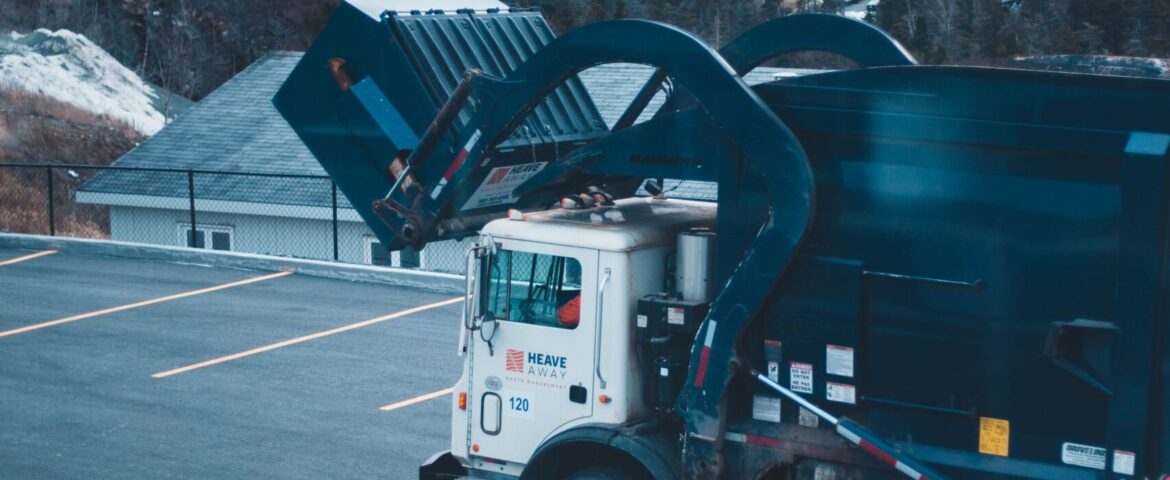
Optimise your commercial waste management with expert guidance on skip hire, recycling, compliance, and cost-effective solutions for retail, office, and hospitality businesses.
Commercial waste management extends far beyond simply disposing of rubbish—it’s a critical business function affecting costs, compliance, environmental impact, and corporate reputation. With UK businesses generating over 27 million tonnes of commercial waste annually, effective waste management strategies can deliver significant cost savings while meeting increasingly stringent environmental regulations. At SkipHire.co.uk, we partner with businesses across all sectors to provide tailored waste solutions that support operational efficiency and sustainability goals.
Understanding Commercial Waste Streams
Retail Sector Waste Management Retail businesses generate diverse waste streams requiring specialised handling:
Customer-Facing Waste
- Packaging materials from deliveries and stock
- Cardboard boxes and protective packaging
- Plastic wrapping and polystyrene protection
- Hangers, tags, and display materials
- Customer packaging and shopping bags
Operational Waste
- Point-of-sale materials and signage
- Office paperwork and administrative waste
- Staff kitchen and break room waste
- Cleaning materials and maintenance waste
- Electronic equipment and IT hardware
Seasonal and Promotional Waste
- Display materials and decorations
- Promotional signage and banners
- Seasonal stock and clearance items
- Event materials and temporary installations
- Fixture and fitting changes
Office Environment Waste Solutions
Paper and Documentation Modern offices still generate substantial paper waste:
- Confidential documents requiring secure destruction
- General office paper and printing materials
- Magazines, brochures, and promotional materials
- Archived documents and files
- Packaging from office supplies
Technology and Equipment
- Computers, monitors, and IT equipment
- Printers, scanners, and office machinery
- Mobile phones and communication devices
- Cables, accessories, and peripherals
- Furniture including desks and office chairs
Catering and Kitchen Waste
- Food waste from staff kitchens and cafeterias
- Packaging from catered meetings and events
- Disposable cups, plates, and utensils
- Refrigerator and microwave replacement
- Vending machine waste and packaging
Hospitality Industry Waste Challenges
Food Service Waste Restaurants, pubs, and hotels face unique challenges:
- High volumes of organic food waste
- Glass bottles and containers
- Cooking oil and grease disposal
- Single-use packaging and containers
- Table service items and disposables
Guest and Customer Waste
- Room service packaging and containers
- Toiletry containers and amenities
- Towels, linens, and soft furnishings
- Furniture and fixtures from refurbishments
- Event and function waste materials
Operational and Maintenance Waste
- Kitchen equipment and appliances
- Cleaning supplies and maintenance materials
- Landscaping and grounds maintenance waste
- Building maintenance and repair materials
- Uniform and textile waste
Regulatory Compliance for Commercial Waste
Duty of Care Requirements All UK businesses must comply with waste duty of care:
- Secure storage preventing unauthorised access
- Use of authorised waste carriers only
- Proper waste transfer note completion
- Verification of disposal facility authorisation
- Maintenance of comprehensive waste records
Hazardous Waste Regulations Businesses generating hazardous waste must:
- Register with the Environment Agency
- Use specialist hazardous waste carriers
- Complete hazardous waste consignment notes
- Track waste movements through official systems
- Implement appropriate storage and handling procedures
Data Protection and Confidential Waste
- GDPR compliance for paper-based personal data
- Secure destruction certificates for confidential materials
- Chain of custody documentation
- Regular auditing of destruction processes
- Staff training on data protection requirements
Choosing Appropriate Commercial Skip Solutions
Regular Collection Skips 6-8 Yard Skips suit most commercial needs:
- Small to medium retail units
- Standard office environments
- Restaurants and cafes
- Small warehouse operations
- Professional service businesses
High-Volume Commercial Skips 12-16 Yard Skips accommodate:
- Large retail stores and supermarkets
- Substantial office complexes
- Hotels and large hospitality venues
- Manufacturing and production facilities
- Distribution and logistics centres
Specialist Commercial Solutions
- Confidential waste bins for secure document destruction
- Glass recycling skips for hospitality venues
- Cardboard balers for high-volume packaging waste
- Food waste containers with odour control
- Hazardous waste containers for specialist materials
Implementing Effective Waste Segregation
Multi-Stream Collection Systems Successful commercial waste management requires separation:
Recyclable Materials
- Paper and cardboard in dedicated containers
- Plastic bottles and packaging separately collected
- Glass containers with safety considerations
- Metal cans and equipment components
- Electronic equipment through WEEE schemes
Organic Waste Streams
- Food waste for commercial composting
- Garden and landscaping waste
- Biodegradable packaging materials
- Organic cleaning materials and supplies
General Waste Management
- Non-recyclable materials requiring disposal
- Contaminated items unsuitable for recycling
- Mixed materials difficult to separate
- Items with no viable recycling route
Cost Management Strategies
Contract Optimisation Commercial waste contracts benefit from strategic management:
Volume-Based Pricing
- Analyse waste generation patterns
- Match collection frequency to actual needs
- Negotiate bulk pricing for multiple locations
- Implement seasonal adjustments for variable businesses
Long-Term Partnerships
- Multi-year contracts for price stability
- Preferred supplier agreements with benefits
- Performance-based pricing incentives
- Collaborative improvement programmes
Waste Minimisation Initiatives Reduce costs through waste prevention:
Procurement Strategies
- Minimise packaging through supplier agreements
- Choose reusable over disposable options
- Implement take-back schemes with suppliers
- Standardise equipment to reduce spare parts inventory
Operational Improvements
- Staff training on waste reduction techniques
- Digital document systems reducing paper use
- Efficient stock rotation preventing spoilage
- Reuse programmes for suitable materials
Technology Integration
Smart Waste Management Systems Modern technology enhances commercial waste management:
Fill-Level Monitoring
- Sensors indicating when skips require collection
- Optimised collection routes and scheduling
- Reduced overflow risks and associated costs
- Data analytics for pattern identification
Digital Documentation
- Electronic waste transfer notes
- Real-time tracking and reporting
- Automated compliance documentation
- Integration with business management systems
Mobile Applications
- On-demand collection booking
- Waste stream reporting and analytics
- Cost tracking and budget management
- Communication with service providers
Environmental and Sustainability Benefits
Corporate Social Responsibility Effective waste management supports business objectives:
- Demonstrable environmental commitment
- Reduced carbon footprint through efficient collections
- Enhanced reputation with environmentally conscious customers
- Compliance with corporate sustainability targets
Circular Economy Participation
- Resource recovery and material reuse
- Supporting local recycling and processing facilities
- Reducing reliance on virgin materials
- Contributing to sustainable business practices
Employee Engagement
- Staff involvement in sustainability initiatives
- Training programmes on waste reduction
- Recognition of environmental achievements
- Building environmental awareness culture
Sector-Specific Solutions
Retail Waste Management Tailored approaches for retail environments:
- Peak trading period management
- Seasonal waste fluctuation handling
- Customer-facing waste presentation
- Security considerations for commercial areas
Office Waste Solutions Addressing office-specific requirements:
- Professional appearance and discretion
- Flexible collection scheduling around business hours
- Confidential waste handling capabilities
- Space-efficient collection systems
Hospitality Waste Services Specialised hospitality solutions:
- High-frequency collections for food waste
- Odour control and hygiene considerations
- Event and function waste management
- 24/7 service availability for operational needs
Building Long-Term Commercial Partnerships
Account Management Successful commercial relationships require:
- Dedicated account managers understanding your business
- Regular service reviews and performance monitoring
- Proactive communication about service changes
- Responsive customer service for urgent requirements
Continuous Improvement
- Regular waste audits identifying optimisation opportunities
- Benchmarking against industry best practices
- Innovation in service delivery and efficiency
- Collaborative problem-solving approaches
Scalability and Growth Support
- Flexible services adapting to business growth
- Multi-location service coordination
- Acquisition and expansion support
- Standardised service delivery across sites
Future-Proofing Commercial Waste Management
Regulatory Changes Stay ahead of evolving requirements:
- Increasing recycling targets and landfill restrictions
- Extended producer responsibility schemes
- Carbon reporting and environmental disclosure
- Packaging waste regulations and plastic taxes
Market Trends Anticipate industry developments:
- Increasing focus on circular economy principles
- Technology-driven efficiency improvements
- Customer expectations for environmental responsibility
- Integration with broader sustainability initiatives
Commercial waste management is evolving from a necessary service to a strategic business function that impacts costs, compliance, and competitive advantage. By implementing comprehensive waste management strategies tailored to specific sector needs, businesses can achieve significant cost savings while demonstrating environmental leadership.
At SkipHire.co.uk, we understand that every business has unique waste management requirements. Our commercial solutions combine flexible service delivery, competitive pricing, and expert advice to support your operational needs and sustainability goals. Whether you’re managing a single retail unit or a national chain of locations, our team provides the expertise and reliability your business demands.
Effective commercial waste management isn’t just about disposal—it’s about creating value, reducing risks, and building sustainable business practices that benefit your bottom line and the environment.