
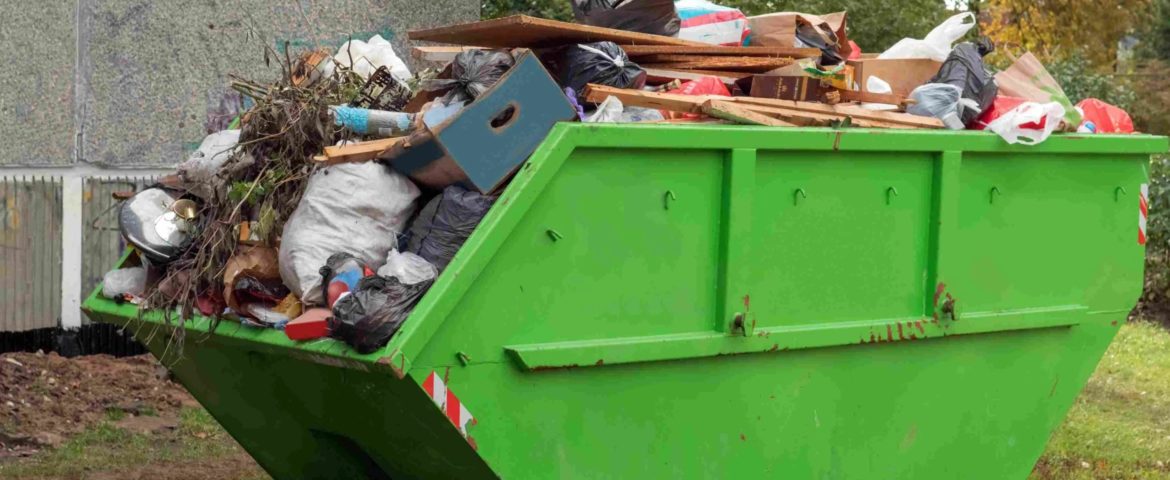
Waste management is a crucial aspect of environmental preservation and sustainability. In today’s fast-paced world, the amount of waste generated by households and industries is rapidly increasing, making it imperative to adopt effective waste management strategies. This article provides a comprehensive overview of the key factors to consider when implementing a waste management program in 2023.
Understanding the Waste Management Process
Waste management involves a series of processes, starting from waste generation to disposal. These processes are crucial in preventing harmful waste from affecting the environment and preserving the quality of life for future generations. The following are the key steps involved in the waste management process:
- Collection and transportation
- Processing and treatment
- Disposal or recovery
Adopting Sustainable Waste Management Practices
Sustainable waste management practices are essential to reduce the negative impact of waste on the environment. These practices involve reducing, reusing, and recycling waste. Adopting these practices can not only reduce the amount of waste generated, but it can also help to conserve natural resources and protect the environment.
The following are some of the key sustainable waste management practices that can be adopted:
- Minimizing waste generation by reducing the use of disposable products and opting for reusable alternatives.
- Reusing products by repairing or repurposing them instead of disposing of them.
- Recycling waste materials to conserve resources and reduce the amount of waste sent to landfills.
- Composting organic waste to produce nutrient-rich soil for gardening and agriculture.
Benefits of Effective Waste Management
Effective waste management has numerous benefits, both for the environment and for the community. The following are some of the key benefits of effective waste management:
- Reduction of environmental pollution
- Conservation of natural resources
- Reduction of greenhouse gas emissions
- Creation of job opportunities
- Improved public health and safety
The Future of Waste Management
The future of waste management is bright, with new and innovative technologies being developed to improve the efficiency and sustainability of waste management practices. From automated waste sorting systems to biodegradable materials, the waste management industry is constantly evolving to meet the growing demands of a rapidly changing world.
Conclusion
In conclusion, waste management is a crucial aspect of environmental preservation and sustainability. Effective waste management strategies can help to reduce the negative impact of waste on the environment, conserve natural resources, and improve the quality of life for future generations. By adopting sustainable waste management practices and embracing new technologies, we can ensure a bright future for waste management and the environment.