
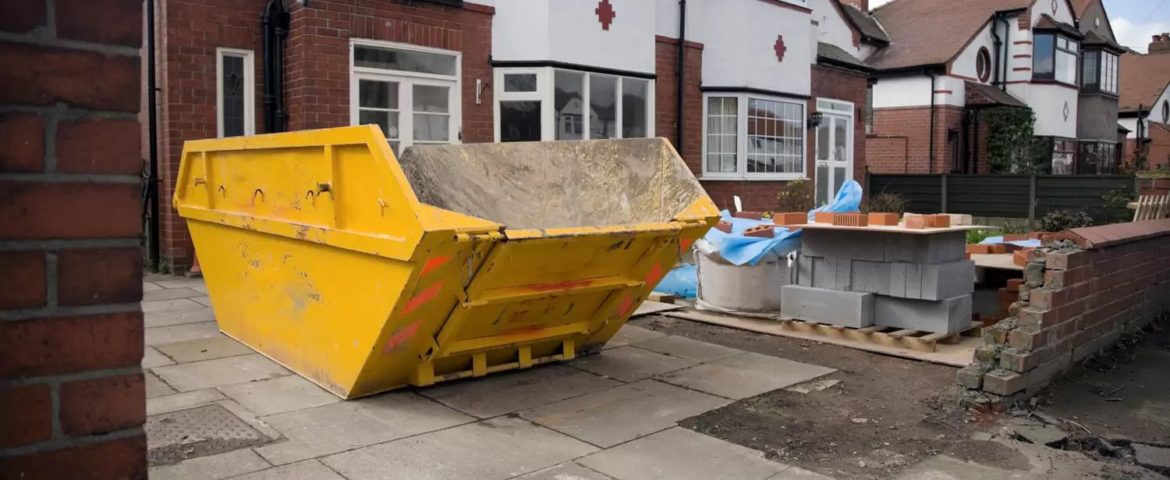
Whether you’re renting a skip for the first time or have done so in the past, our checklist can help you choose the right skip and ensure you’re prepared. Here are 8 things to know when renting a skip:
Know what you can’t put in a skip
One of the most important factors is understanding the type of waste you’ll be disposing of and whether it meets the skip hire company’s criteria. Our blog summarises items that cannot be placed into one of our rental skips.
Determine the skip rental duration
Our standard skip hire lasts for a few days, so consider if this duration is suitable. We can offer extended hire for an additional charge if needed, or arrange an earlier collection if you prefer.
Familiarize yourself with skip capacities
We provide a variety of skip sizes, ranging from 4-yard skips to 16-yard skips. There’s a skip size suitable for everything from small house clearances to large garden projects. We offer information on the dimensions and capacities of each skip, as well as the types of projects they are appropriate for.
Choose the right skip size
After reviewing the information on our various skip sizes, decide which size best suits your needs. If you’re still uncertain, feel free to contact us for further advice.
Plan where the skip will be placed
Our smaller skips can easily fit on most driveways. If you plan to place the skip elsewhere or need a larger size, be sure to measure the area. Ensure the location is easily accessible for both waste disposal and our trucks for pick-up and drop-off. Skips should not obstruct pedestrians or the street.
Check if a permit is needed
If you intend to place the skip on the road, a permit from your local council is required. We can arrange a permit if you request a roadside drop-off. Otherwise, a skip is allowed outside your home as long as it doesn’t cause an obstruction or violate any traffic rules.
Provide instructions for skip placement
You don’t need to be present when the skip arrives, as long as you’ve pre-paid and provided clear instructions on where to place it.
Be aware of weight restrictions
Each skip has a weight limit, which you should take into account when disposing of waste. Overloading a skip can result in additional fees or even the refusal of waste collection. To avoid such issues, ensure that the skip’s weight limit is suitable for the amount and type of waste you plan to dispose of. If you’re uncertain, consult with the skip hire company for guidance on choosing the appropriate skip size based on your waste requirements.