
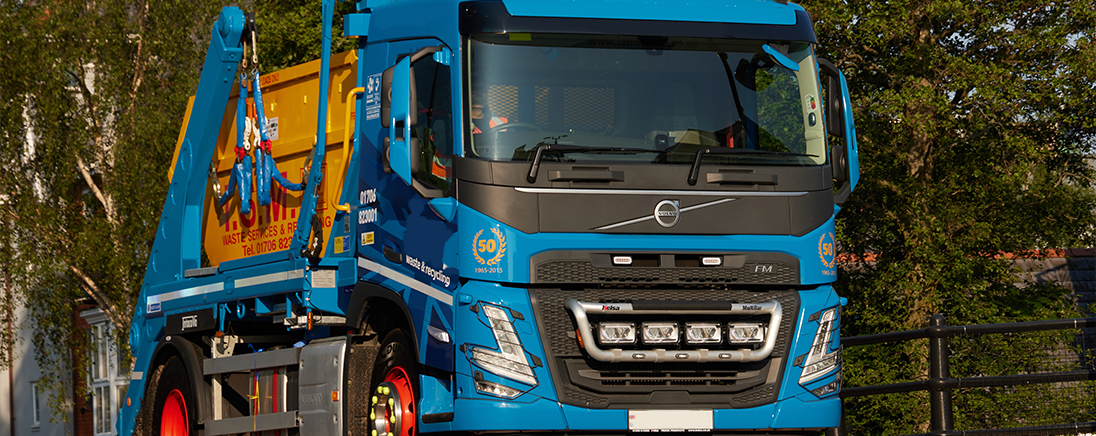
Organising a large event, whether it’s a music festival, a community fair, or a corporate gathering, comes with many logistical challenges – and waste management is one of the biggest. Ensuring that waste is efficiently collected and disposed of not only keeps the venue clean and presentable but also helps meet environmental regulations and sustainability goals. That’s where skip hire comes in.
Here’s why hiring a skip for your event is essential and how to make the most of it.
Why Skip Hire is Essential for Events
1. Keeps the Venue Clean and Organised
With thousands of attendees generating waste, litter can quickly accumulate, making the event space unsightly and unhygienic. Strategically placed skips help contain rubbish and prevent overflow from smaller bins.
2. Efficient Waste Management
Hiring a skip allows for easy collection and separation of waste, ensuring recyclable materials are properly processed. Many skip hire companies provide mixed waste and dedicated recycling skips to help reduce landfill contributions.
3. Saves Time and Effort
Event organisers and clean-up crews can dispose of large volumes of waste quickly, avoiding the hassle of multiple trips to disposal sites. This means a smoother clean-up process both during and after the event.
4. Complies with Environmental Regulations
Proper waste disposal is a legal requirement for events, and hiring a skip ensures compliance with local council regulations. Many skip hire providers sort and recycle waste to meet sustainability targets.
How to Choose the Right Skip for Your Event
1. Assess the Volume of Waste
Estimate how much waste your event will generate based on its size, duration, and the types of materials being used. For smaller fairs, a 6 to 8-yard builders’ skip may be sufficient, while large music festivals may require multiple 12 to 16-yard skips.
2. Consider Waste Types
Different events generate different types of waste, including:
- General waste (food packaging, paper, plastic cups)
- Recyclable materials (glass bottles, aluminium cans, cardboard)
- Construction waste (if setting up large structures)
- Organic waste (leftover food and biodegradable materials)
Discuss your waste management needs with your skip provider to ensure proper sorting and disposal.
3. Plan Skip Placement Strategically
Positioning skips in accessible yet unobtrusive locations helps attendees and clean-up crews dispose of waste efficiently. Consider placing skips near high-traffic areas such as food courts, seating areas, and entrances/exits.
Best Practices for Event Waste Management
- Use Clear Signage – Clearly label skips and bins to encourage proper waste disposal and recycling.
- Hire Multiple Skips – Having separate skips for general waste, recyclables, and food waste helps improve efficiency.
- Schedule Timely Collections – For multi-day events, arrange for regular waste collection to prevent overflowing bins.
- Encourage Attendees to Dispose Responsibly – Promote sustainability through signage, announcements, and incentive programmes for recycling.
Final Thoughts
Proper waste management is a crucial part of any successful event. Hiring skips ensures a clean, organised venue while also supporting sustainability and compliance with regulations. Whether you’re hosting a local fair or a major festival, skip hire is a practical and eco-friendly solution for handling event waste efficiently.
For reliable and tailored skip hire solutions for events, visit skiphire.uk.com today!